
North Georgia winters fool a lot of coach owners. Most days are mild, the sun is out, and it feels like the motorhome can just sit in the storage lot until the first warm weekend in March. Then a cold front drops through, the temperature falls well below freezing for a night or two, and a coach that was "fine" in December has a cracked fitting, a dead battery bank and a mouse nest by spring.
A diesel pusher is a big investment with a lot of systems that don't love sitting still. Here's what really happens while it's parked, and the routine that prevents most of the expensive surprises.
What sitting still does to a luxury coach
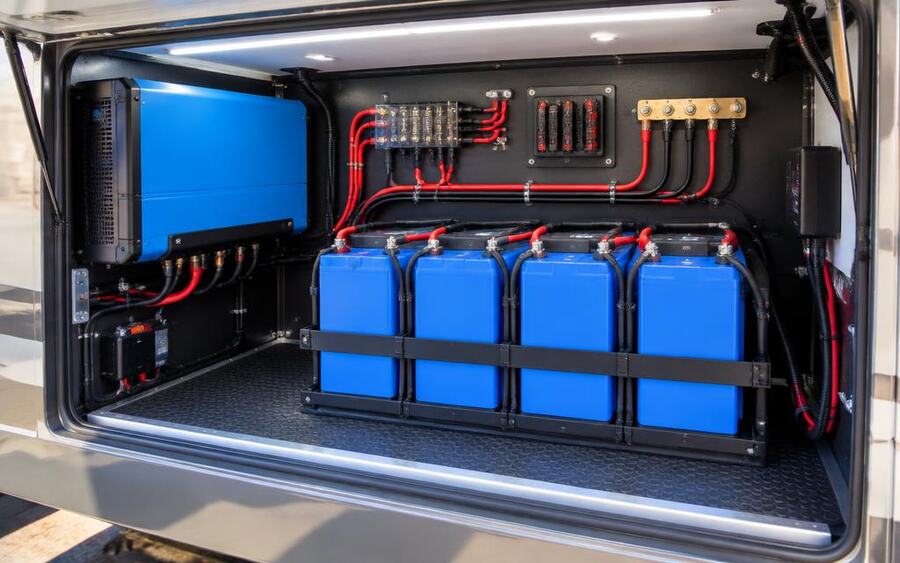
Batteries drain even when everything is "off." Detectors, control boards, the inverter in standby and the chassis computer all pull a little power. Over several weeks that small draw can take house and chassis batteries down far enough to shorten their life, especially lead-acid batteries.
Water finds the lowest point and waits. Even a coach that was drained can hold water in low spots: the water pump, the filter housing, the ice maker line, the washer and the low-point drains. One hard freeze is all it takes to split a fitting.
Tires take a set. A heavy coach parked in one spot for months puts constant load on the same section of each tire. Sun on one side of the rig adds UV damage to the sidewalls.
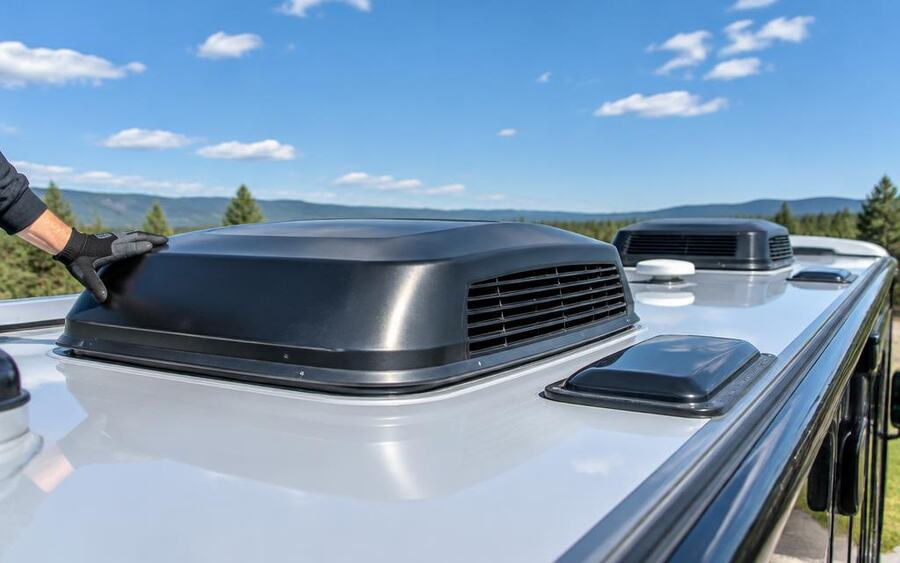
Seals dry out and shrink. Slide-out seals, door seals and roof sealant all age faster when they're cycling between cold nights and sunny afternoons without being cleaned or treated.
Fuel and fluids age. Diesel left in a partly empty tank can collect condensation. A generator that never runs can develop its own problems from sitting.
A storage routine that works in North Georgia
Before you park it
- Fill the fuel tank and add a quality diesel stabilizer, then run the engine and the generator long enough to move treated fuel through the system.
- Decide on water. If the coach will sit through freezing nights without heat, it needs a proper winterization. If you'll keep it heated and plugged in, make sure the heat source is reliable and the bays that hold plumbing actually get warm.
- Clean the interior completely. Food crumbs and open pantry items are an invitation to rodents. Empty the refrigerator and prop the doors open.
- Clean and treat the slide seals and look over the roof sealant before the cold sets in.
- Cover the tires from direct sun and set them at the pressure your tire maker recommends for the coach's weight.
While it's in storage
- Keep the batteries maintained. Either keep the coach on shore power with the charger set correctly for your battery type, or use battery disconnects and a maintainer. Lithium banks have their own storage guidance from the manufacturer; follow it.
- Visit once a month if you can. Walk around, look under the coach for drips, open the bays, check for droppings and smell for anything unusual.
- Run the generator under load on those visits, following the generator manufacturer's recommendation for exercise time. Starting it for a minute and shutting it down isn't the same as running it with the A/C or heat on.
- Extend and retract the slides once in a while so the seals and mechanisms don't stay compressed in one position.
Before the first spring trip
Give the coach a real wake-up instead of just turning the key: check batteries and connections, test every system on both shore and battery power, de-winterize and sanitize the fresh water system, inspect the roof, test the slides and leveling, and check tire date codes and pressure. A short checklist in the spring is much cheaper than a breakdown on the first trip to the mountains.
When to bring in a professional
Some of this is easy to do yourself. Other parts, like winterizing a coach with a residential refrigerator, washer, ice maker and hydronic heat, are easy to get slightly wrong. If you're not sure which lines and appliances your coach has, or you'd rather not crawl through the bays on a cold morning, that's what preventive care and seasonal prep are for.
RV Action Express helps luxury coach owners around Cumming, Lake Lanier and North Atlanta get their coaches ready for storage and ready for spring. Call (866) 292-6838 or request service and tell us what you're driving.
Questions about this topic
Some owners do, but it only works if the heat reliably reaches every bay with plumbing and the power never drops. A tripped breaker or empty propane during a cold night can still freeze lines. If the coach will be unattended, a proper winterization is the safer choice.
It's usually fine if the converter or inverter-charger is set for your battery type and the storage pedestal is reliable. If you're not sure the charger is configured correctly, have it checked before you leave it for months.
About once a month is a good habit. A short visit to look for leaks, droppings and battery issues and to run the generator under load catches most problems early.
Need a hand with your coach?
Call Russell and describe what you're seeing.